Free UK & IRELAND Delivery (ON ALL ORDERS OVER £50)

Recipe ideas
Carrageenan Iota is a gelling and thickening agent extracted from seaweed. It is soluble in cold water and can create a soft gel that can be broken and reformed. When used in milk-based products, the gels made with Carrageenan are firmer and more flexible due to the higher presence of calcium.
To use Carrageenan Iota, dissolve the powder in a cold liquid and heat it to 80°C. Allow it to rest and cool to set. If the resulting gel is broken by stirring or shaking, it will reform when left undisturbed again. This characteristic provides a melt-in-the-mouth texture to Carrageenan gels.
The name Carrageenan is derived from the Irish coastal village of Carrageen, where the native seaweed known as Irish moss was traditionally gathered and boiled in milk to make a gelatinous pudding. Refined Carrageenan Iota powder can lightly set a milk pudding with as little as 0.5% addition. The resulting soft gel can be sweet, savoury, or flavoured according to preference. The setting of these gels can be altered by acids, salts, and sugars, and some recipes may require higher concentrations.
Some example recipes…
Ingredients:
Method:
Ingredients:
Method:
Ingredients:
Method:

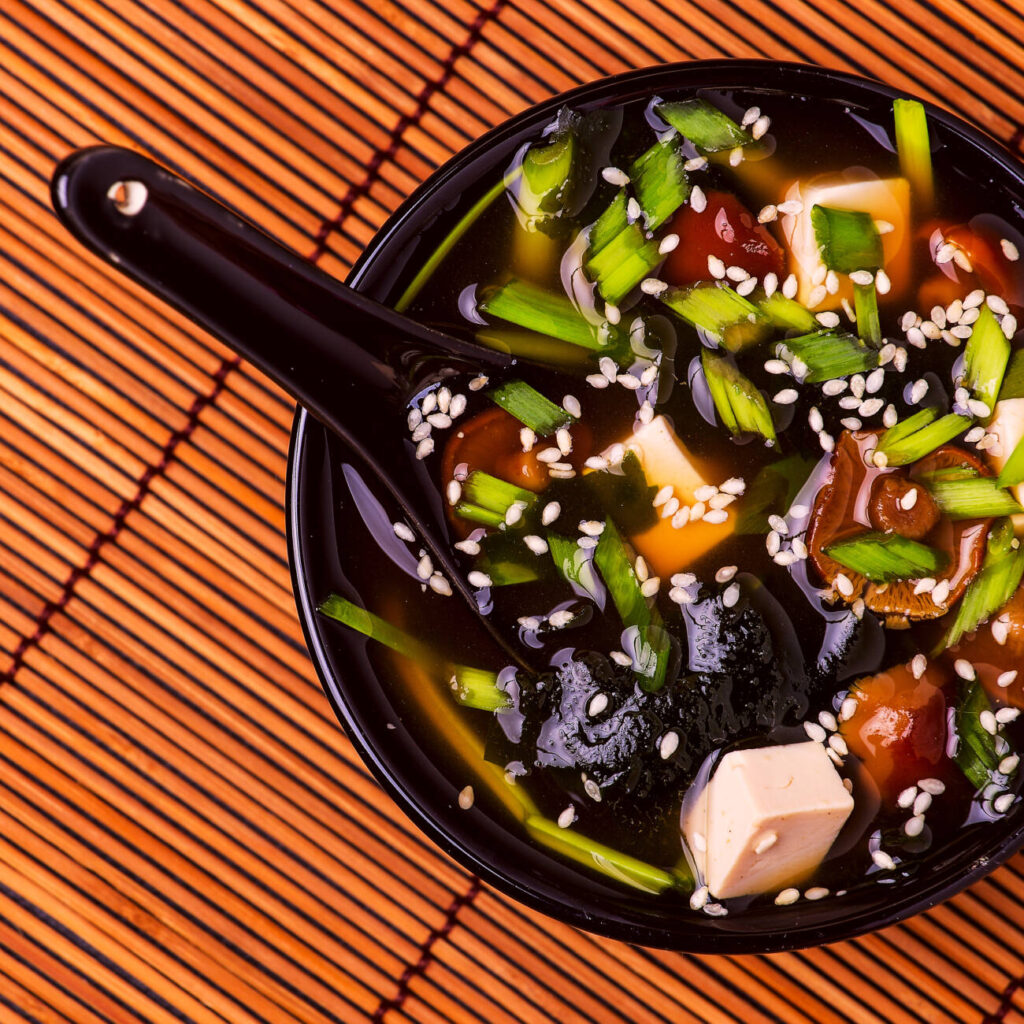
Black Garlic Miso Broth
Warm, comforting and savoury with flavour bites in every spoonful this is a super quick and healthy pick me up whatever the weather. Our simple recipe omits the classic bonito flakes or dashi for a vegetarian-friendly bowl, but feel free to customise with whatever ingredients take your fancy, be that extra vegetables, chicken or seafood.
Ingredients:
Method:
Serves four starter portions or two as a main dish.
Enjoy!
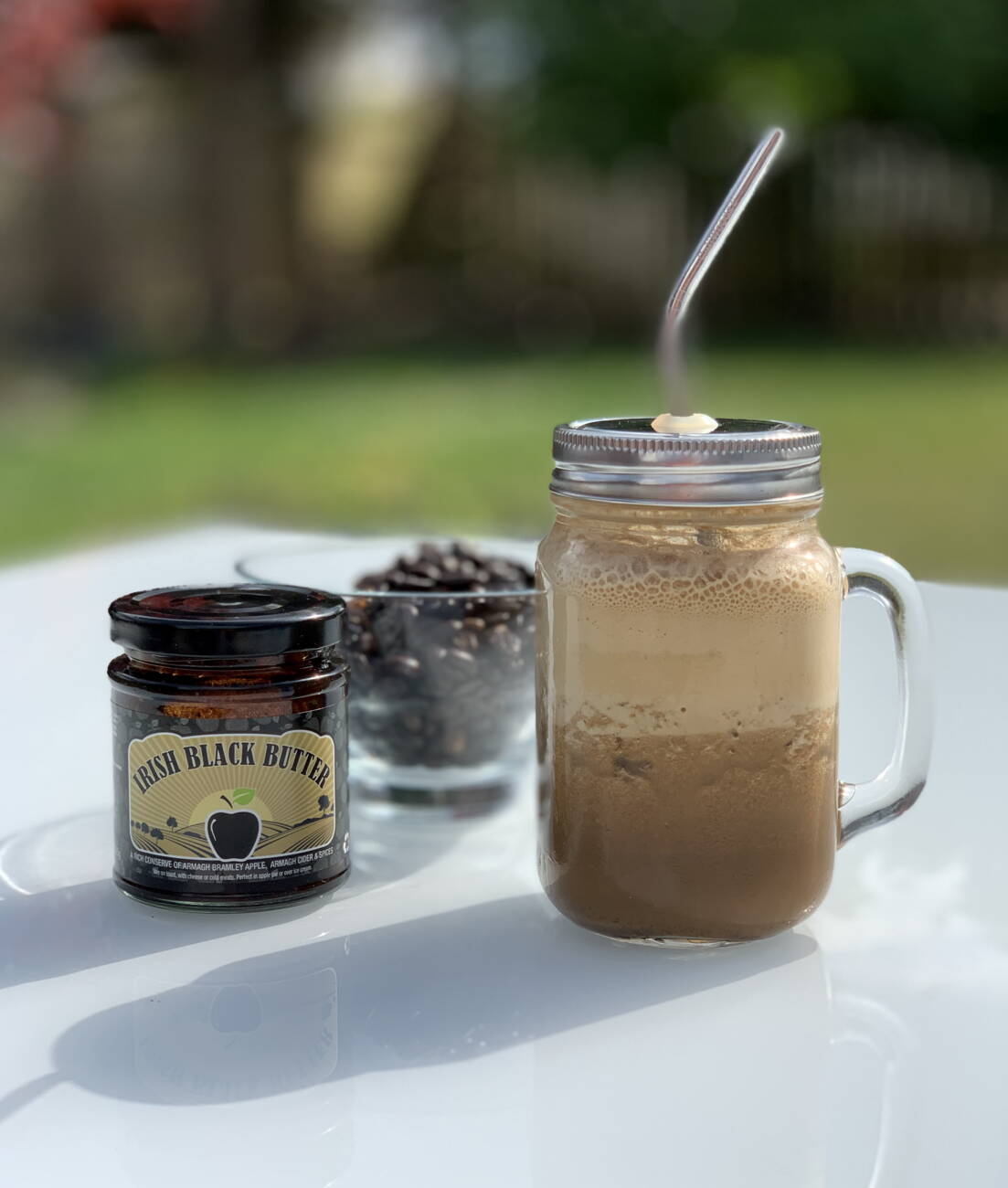
Simple and refreshing with an Irish Black Butter twist!
Simple and refreshing with a salted caramel twist, a perfect cool down to sip in hot weather.
Ingredients:
For two highball glasses:
Method:

Pectin Powder for Jam Setting
The amount of pectin required for setting a jam is dependent on the quantities of natural pectin already available in the fruit used, the acidity levels (pH) & the amount of sugar. For example, in a standard recipe of equal quantities fruit to sugar, plums will need approx.0.2% pectin to ensure setting whereas a strawberry jam may require pectin at 0.7%+. A gel network is formed when there is the correct ratio of pectin (0.5-1%), fruit solids, sugar (60-65%) and water at a pH of between 2.5-3.5. The pH is typically adjusted and controlled by the addition of citric acid at around 0.5%.
Specific temperatures are required to complete the jam-making process and a jam at 103°C will have the necessary 65% sugar concentration for a correct set. The citric acid is added near the end of cooking (to avoid breaking down the pectin) and the jam can be checked for setting either by measuring the total soluble solid percentage with a refractometer or cooling a small quantity of the jam and checking the consistency.
As the natural composition of fruit varies according to the season, growing region and selected variety, the following recipes are approximate guidelines. In all recipes, combine 80% of the sugar with the fruit and bring to the boil. Mix the remaining sugar with the pectin and acid & heat to 103°C for 4 minutes, test check for setting and pack into clean jars. If required, the pH can be adjusted before packing with the addition of small amounts of extra citric acid, ideally hydrated in a 50% water solution for ease of incorporation. Ideal pH for the finished jam is 3.0-3.1.
Example Recipes

